-
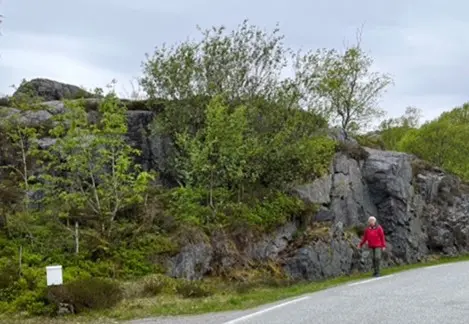
Kvitaneset
This locality shows the original contact between sediments from the Høyvik Group and the much older Precambrian plutonic rocks of the Dalsfjord Suite.The locality is of great scientific interest because it shows the original relationship between ancient Precambrian gneiss and the much younger sedimentary layers of the Høyvik Group.
-
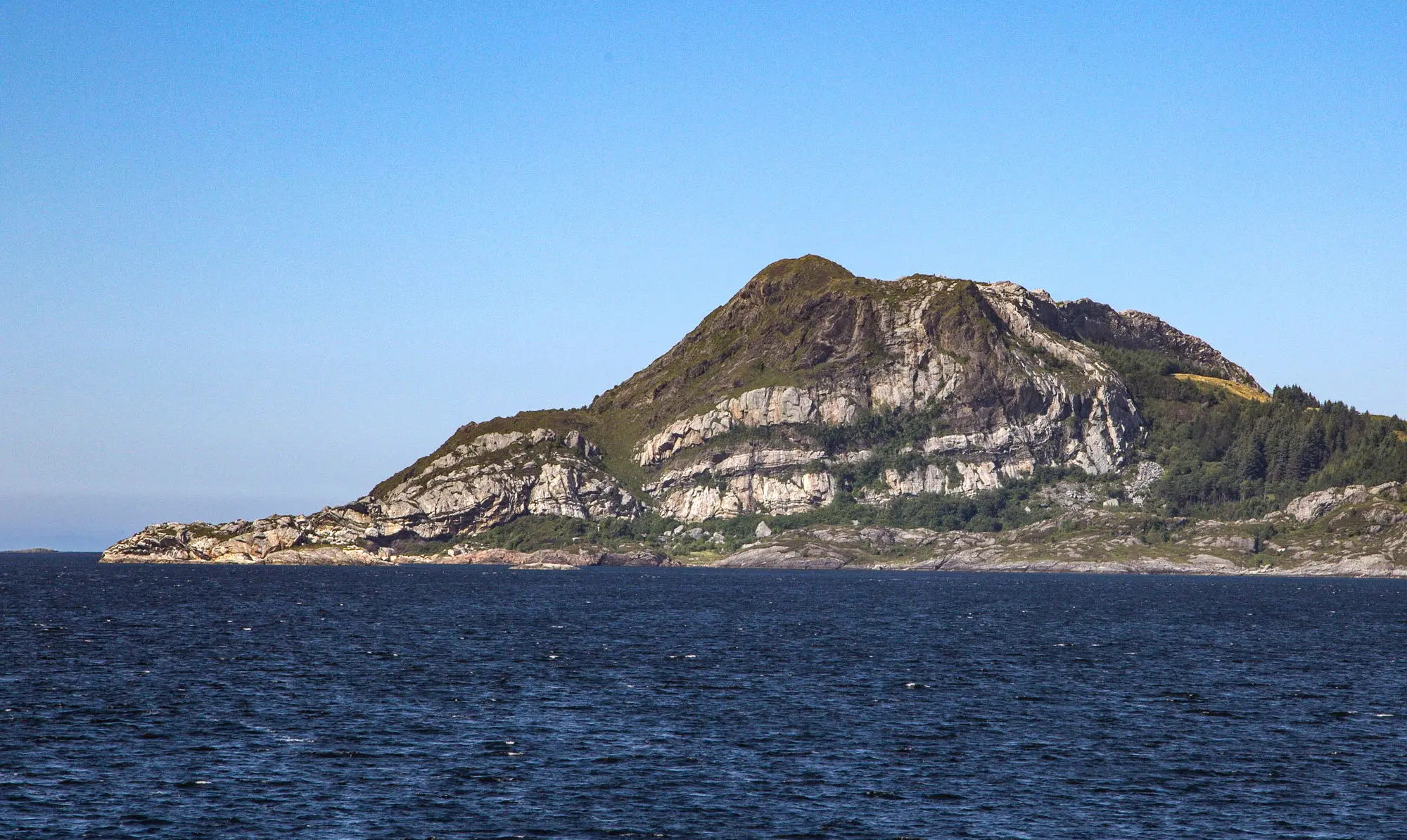
Brurastakken
The Brurastakken area consists of sedimentary rocks from the Silurian period, resting in primary sedimentary contact on older metamorphic sediments of the Høyvik Group. Above these rocks lie the mixed sedimentary rocks of the Sunnfjord mélange, composed of both continental and oceanic material. These formed during the emplacement of ocean-floor rocks from the Iapetus Ocean…
-
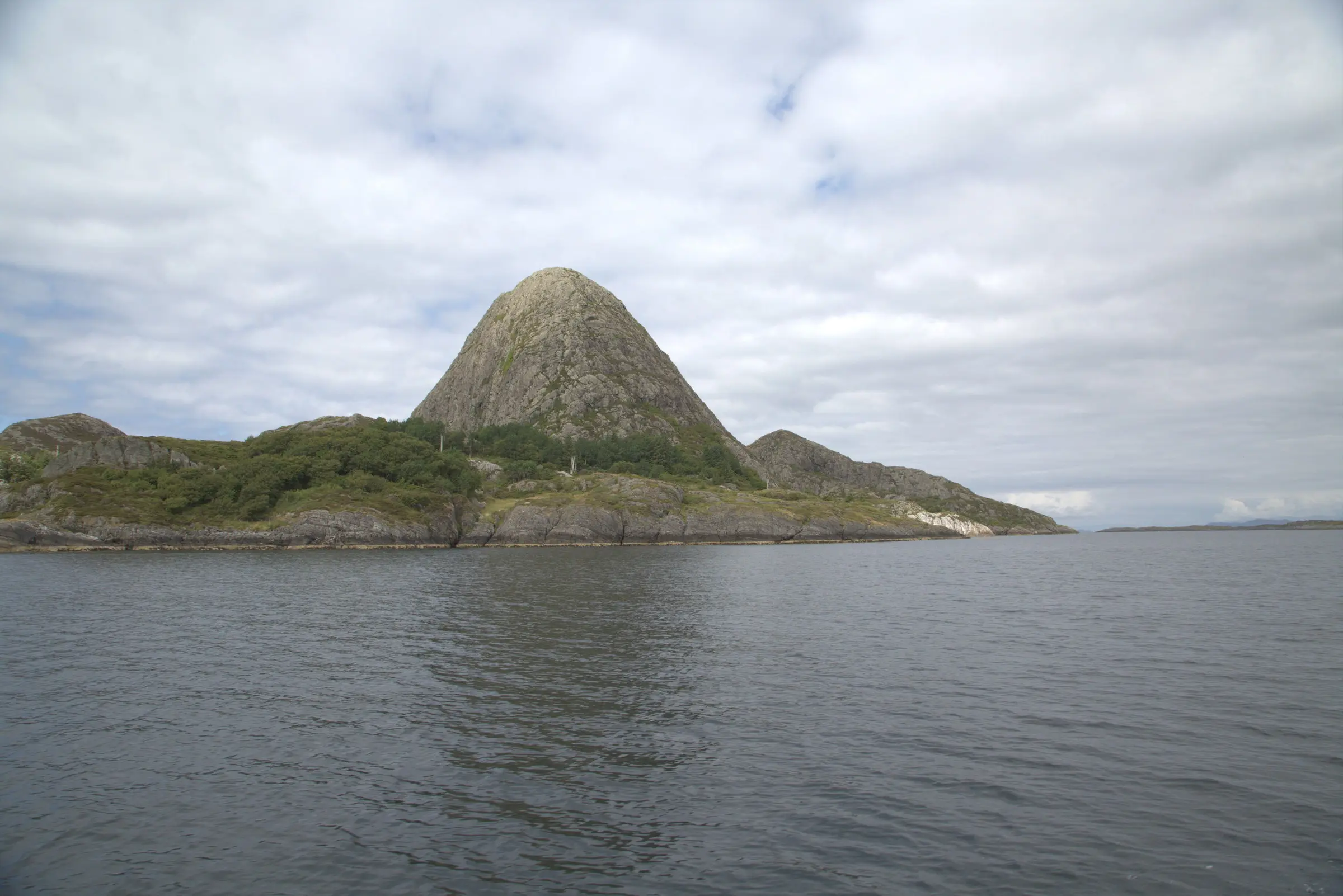
Tvibyrge/Tviberg
The site consists, among other things, of metamorphosed basalt lava and intrusions of basalt and gabbro derived from oceanic crust. At Tviberg you can also observe the boundary between the oceanic crust of the Solund–Stavfjord ophiolite complex and the Sunnfjord mélange, a mixture of continental and oceanic deposits. This area is important for understanding the…
-
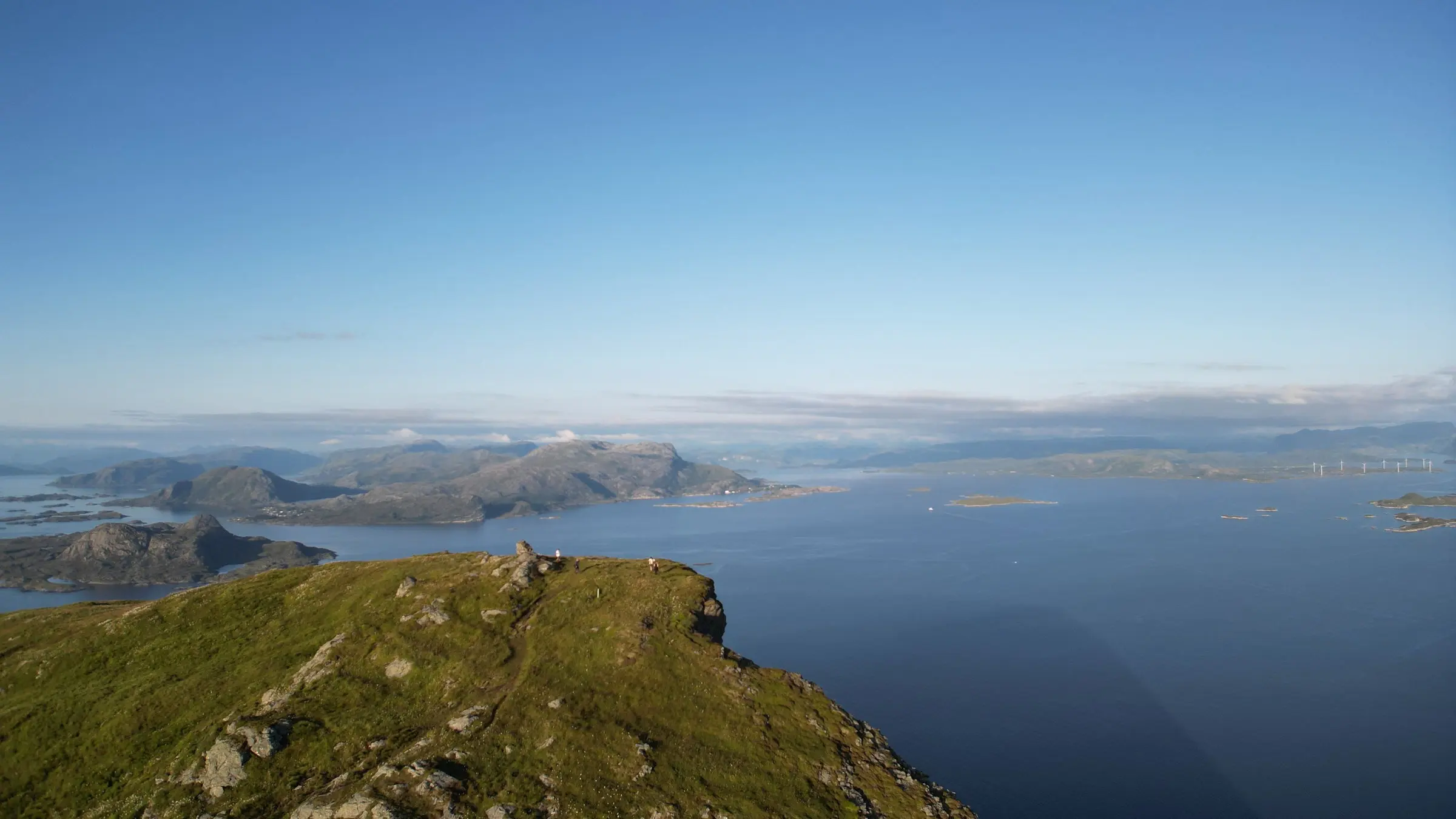
Alden
The summit of Alden is the remnant of an ancient surface known as a paleic surface, probably dating from the early Tertiary. Those who choose to climb to the top are rewarded with a spectacular view in all directions. The ascent is relatively steep, so it is best suited to people who are used to…
-
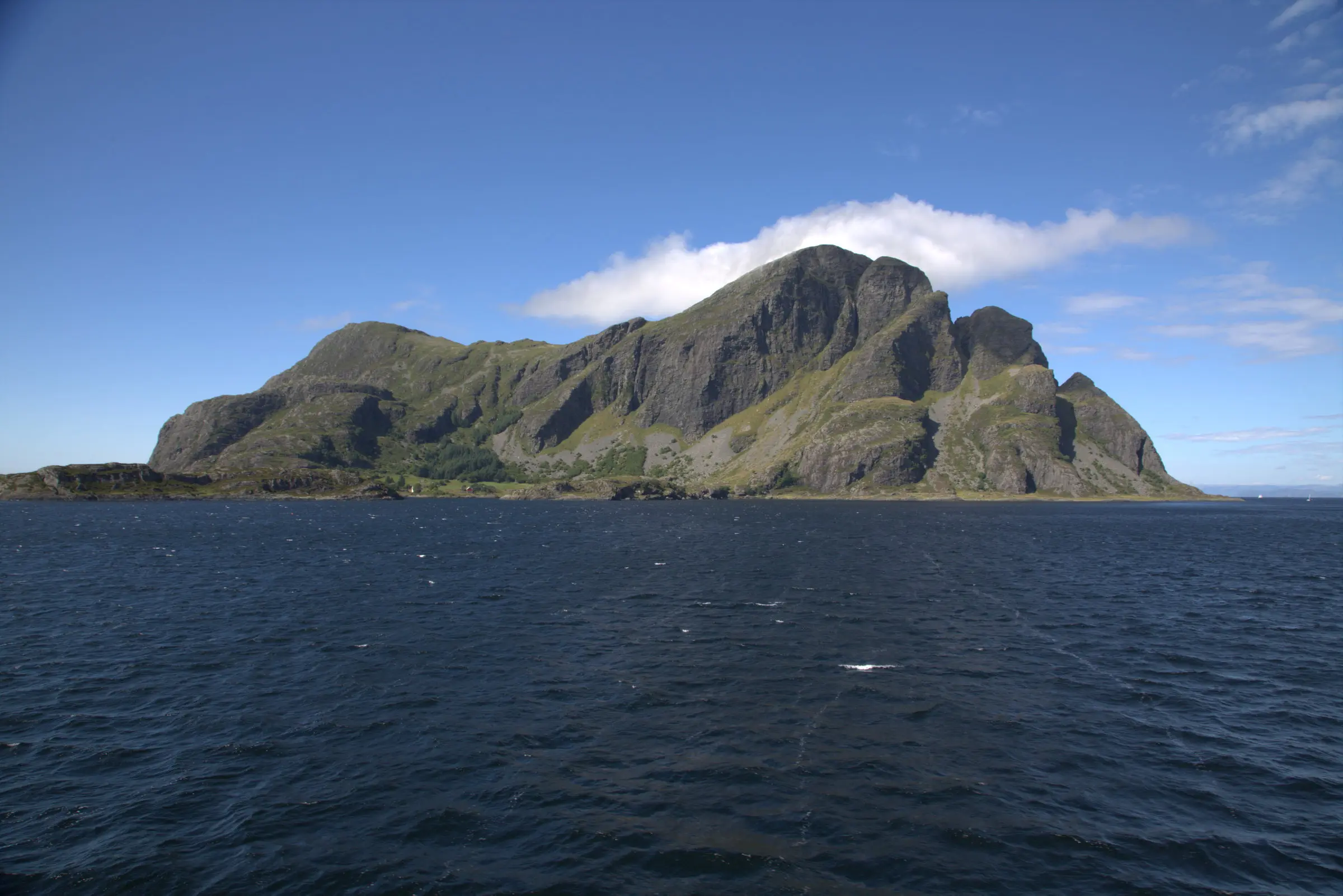
Alden Strandflate
Strandflate is a geographical term specific to the coastal landscape of Norway. It refers to a low, flat and often broad coastal zone or platform stretching between the open sea and the higher inland terrain. The strandflat on Alden is characterised by a relatively flat, narrow area around the high mountain on Alden. Hans Reusch,…
-
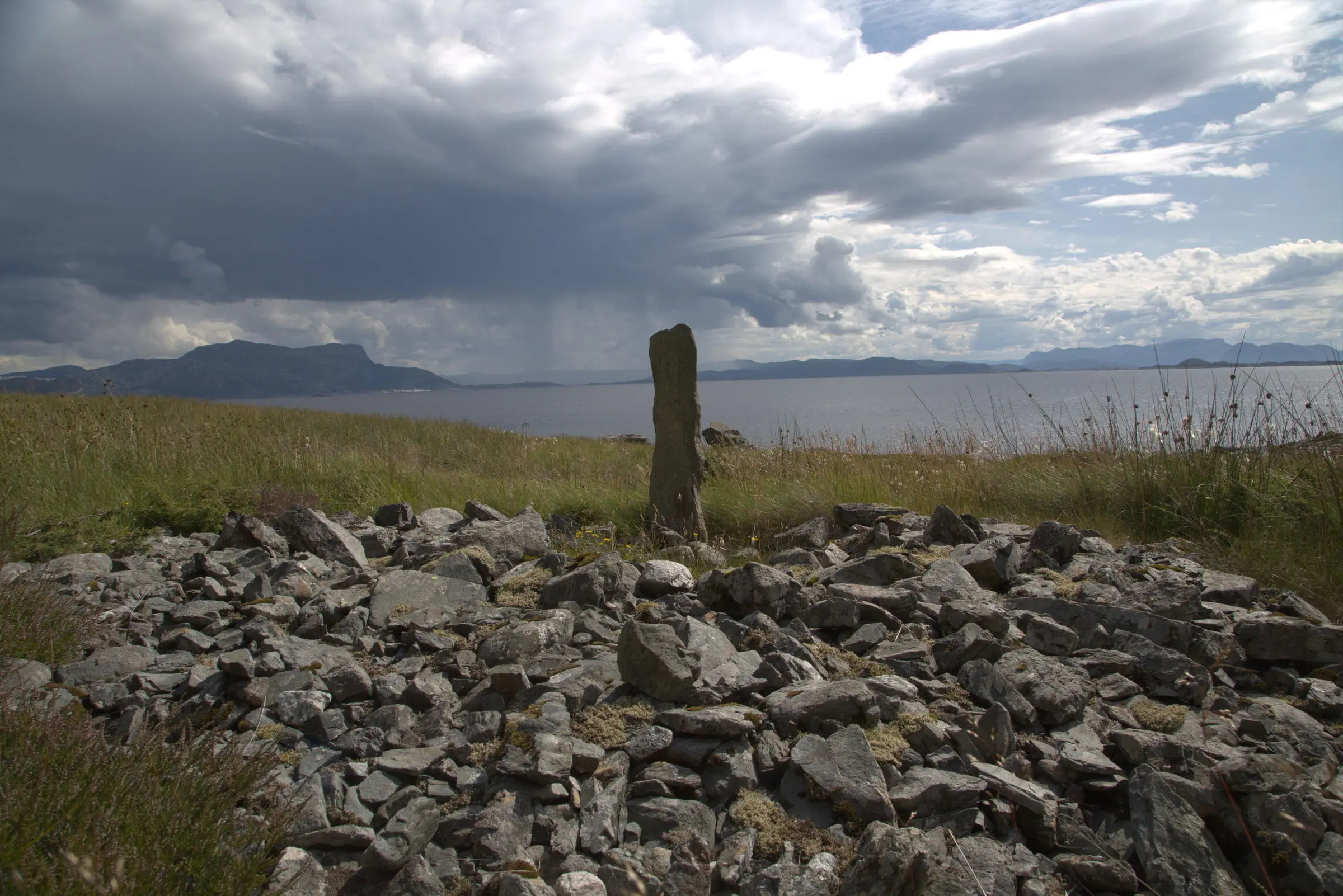
The ancient graves on Alden
Eight graves from the Iron Age testify to the importance of the island, probably over a period of 2,000 years. Some of the graves are oriented east–west, while others are placed more randomly. The latter may indicate a pre-Christian age. The last permanent resident on Alden moved away in 2017. Since time immemorial, the island…
-
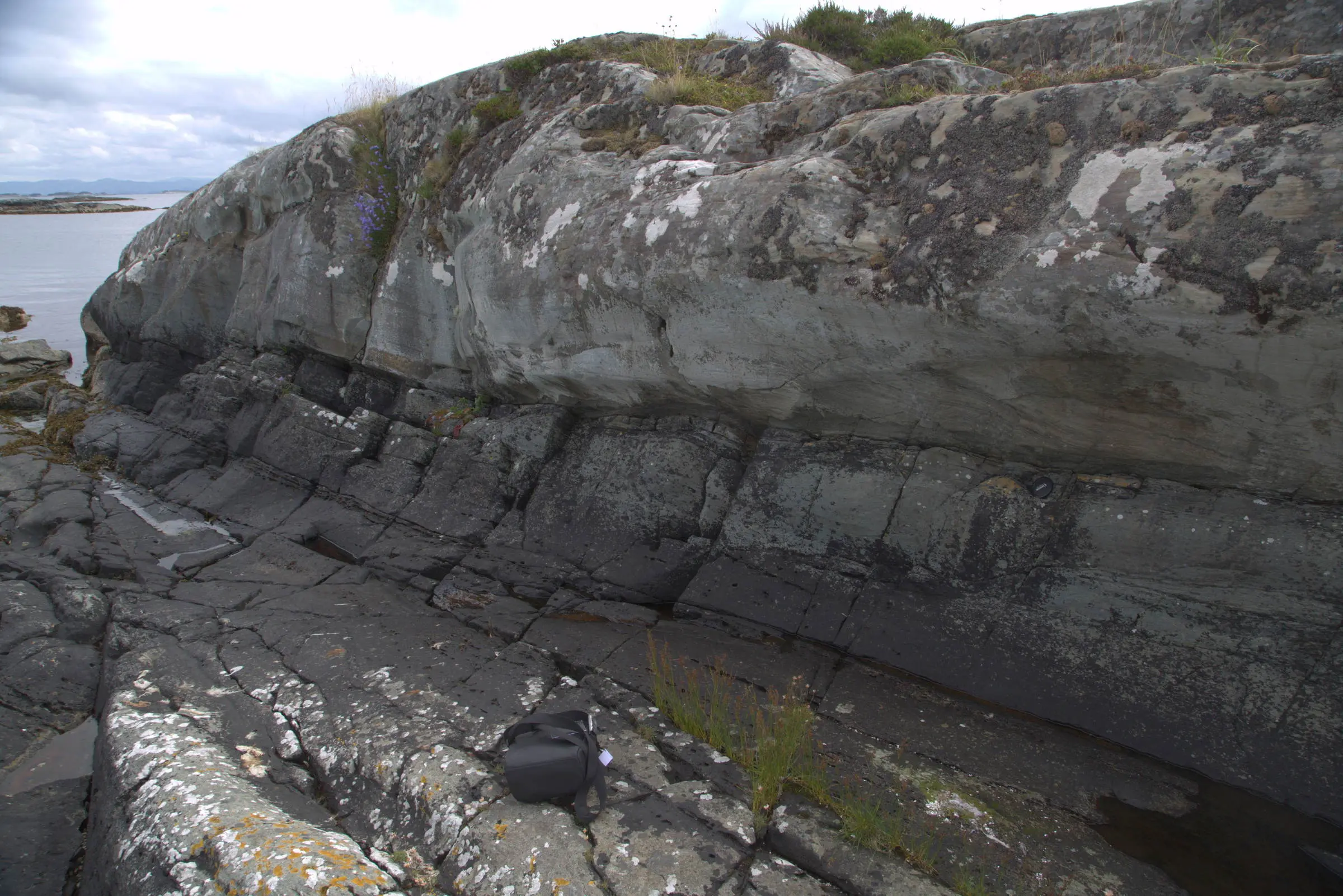
Lambholmen
Lambholmen consists of sandstone from the Devonian period, with some layers rich in fossils. This site is the only known fossil-bearing locality in the Solund and Værlandet/Bulandet basin, and it is a key site for dating the Devonian deposits. The island is an important nesting area for birds, and access is therefore restricted. Landing is…
-
Værlandet kai
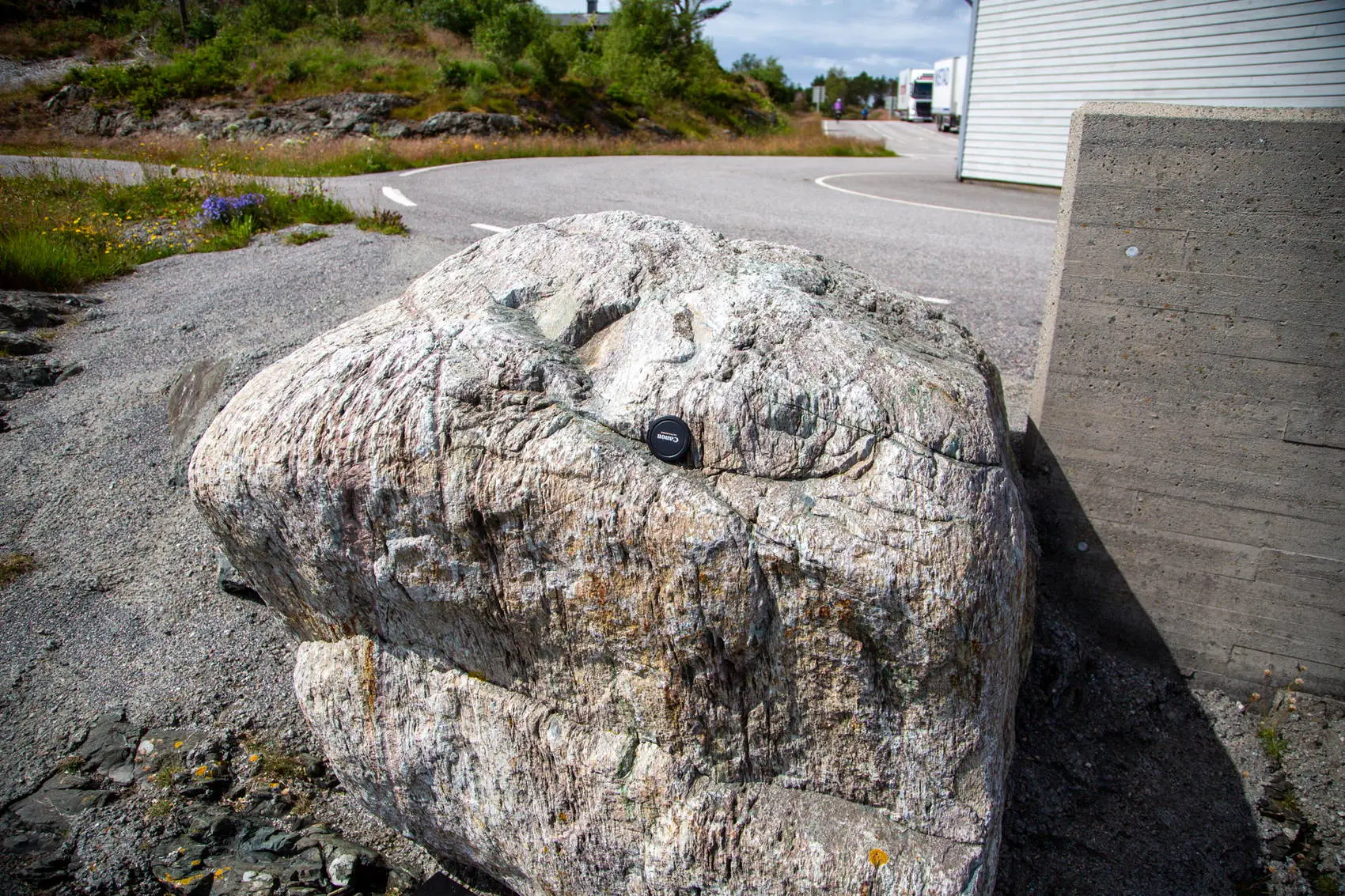
At the ferry quay on Værlandet there is a loose rock block of about 1 m³, which was deposited there during the last Ice Age. It consists of eclogite, which comes from the mainland farther east. The nearest known eclogite occurrence is in Askvoll municipality, about 15 km east of Værlandet. Eclogite forms under high…
-
Børekletten
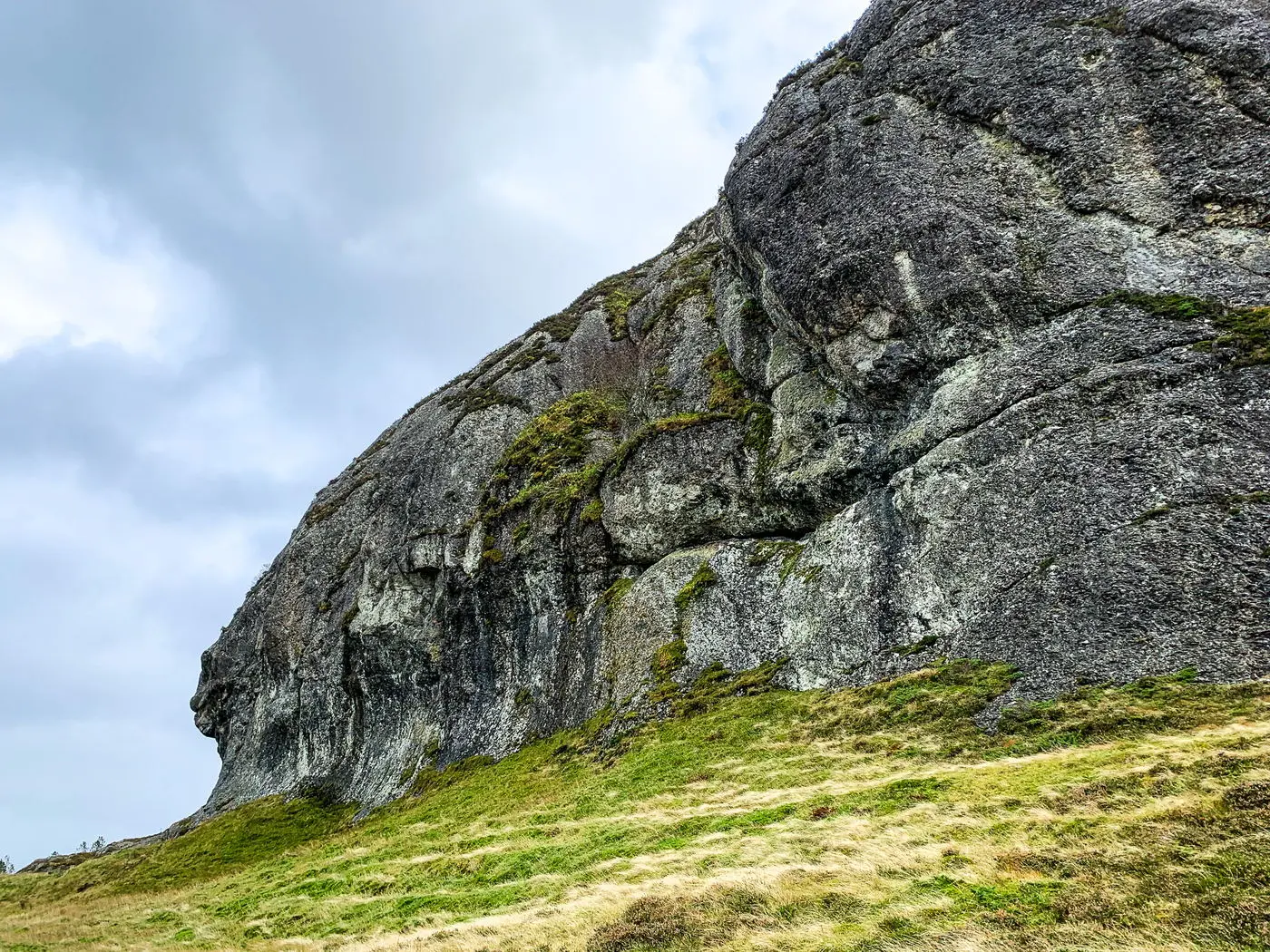
Børekletten is a rounded, dome-shaped mountain built up of conglomerate. At its base, the rock is in contact with the Solund–Stavfjord ophiolite complex, which represents ancient ocean-floor crust. Børekletten is one of three similar heights located along the boundary of this ancient ocean-floor crust. During the last Ice Age, the ophiolite was eroded and formed…
-
Melværrånen
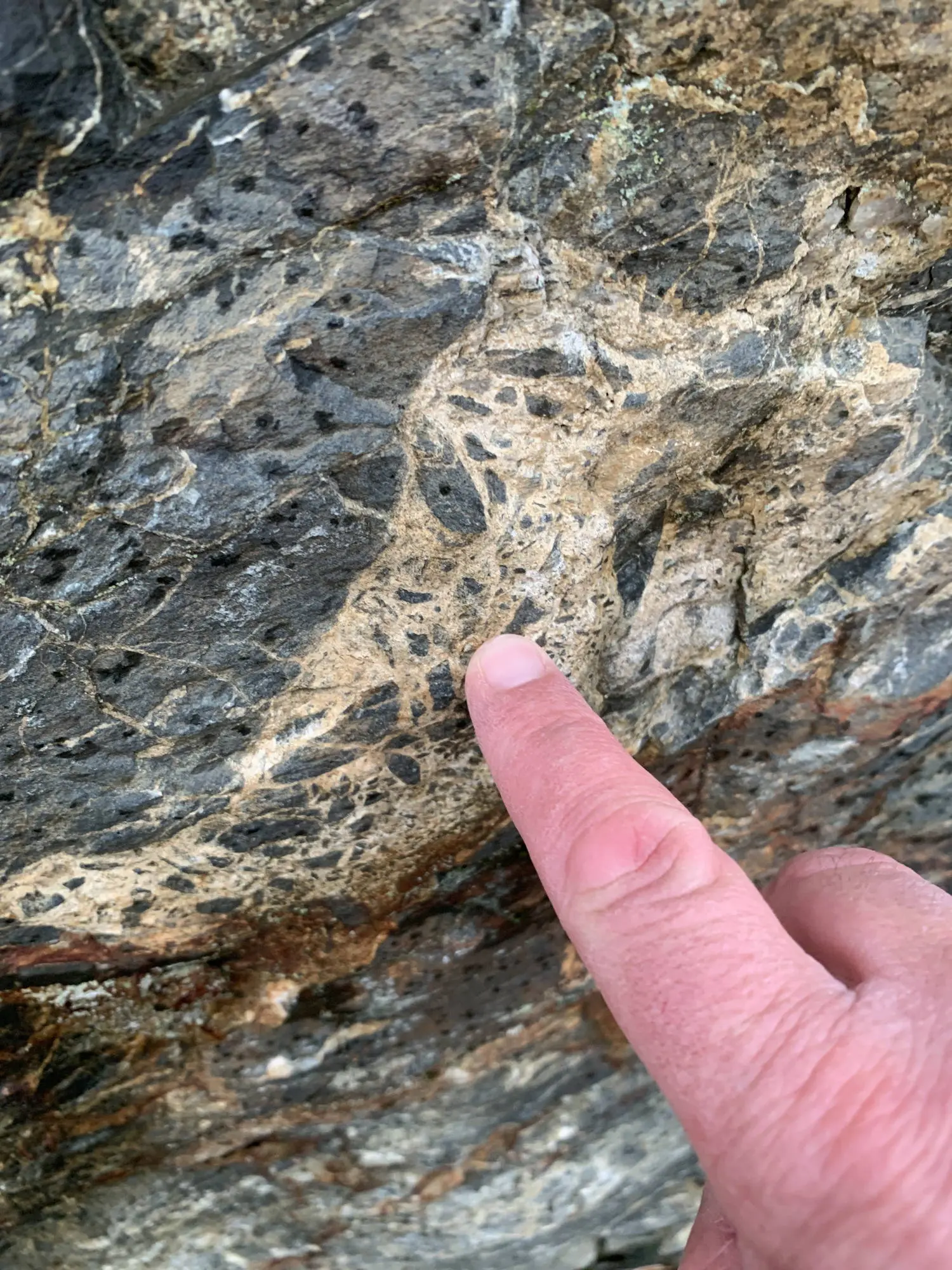
This pleasant circular walk of about 2.5 km takes you through several different rock types. The route passes from conglomerate into breccias with fragments mainly of greenschist and greenstone, which belong to the Solund–Stavfjord ophiolite complex. Breccia and conglomerate may look quite similar, but they differ in the shape of the stones. Breccia consists of…