-
Bygdeheia
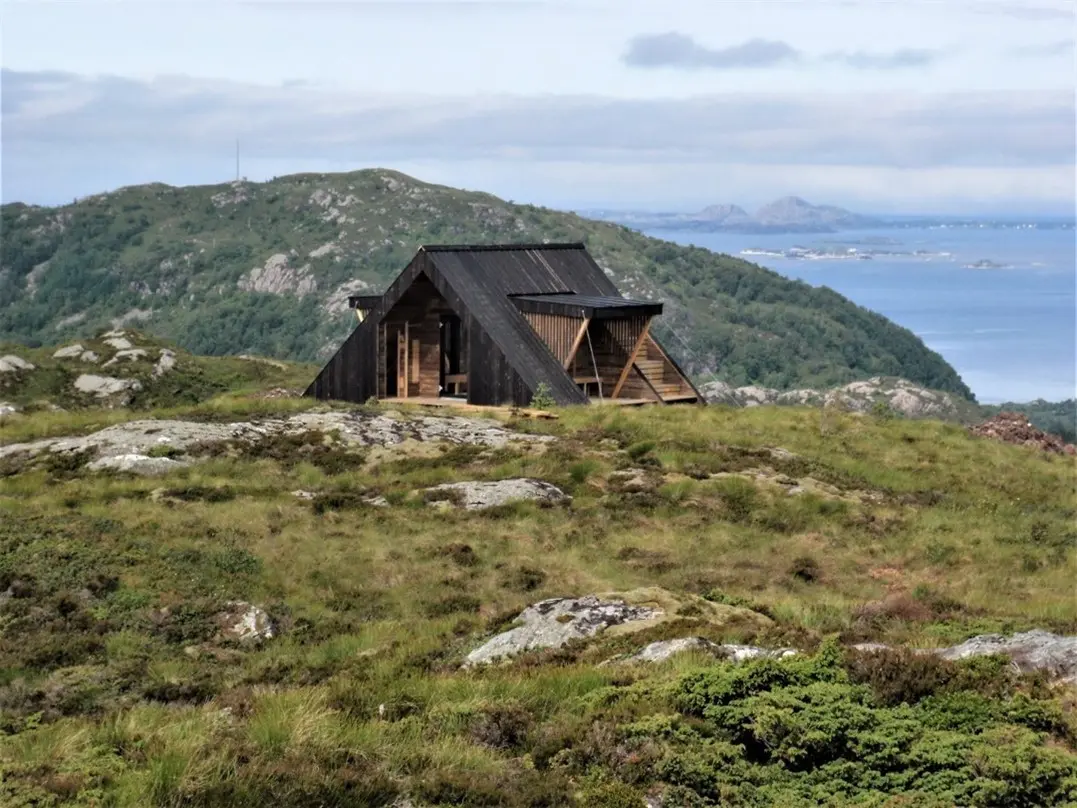
This is a relatively easy walk along the path to the day-use cabin on top of Bygdeheia. The trail passes through coarse-grained granitic gneisses, and from the top you have a good view over the park. The site is therefore very well suited for explaining the major geological features of the park. It is worth…
-
Einingsfjellet
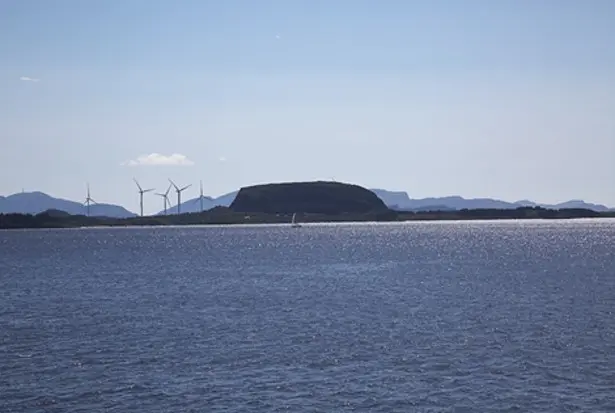
This is a relatively short walk, but on clear days it offers a fantastic view far out to sea, despite being only 258 metres high. The trail leads to one of the most visited summits in the region, offering panoramic views of the whole coast. The summit, known as Einingsfjellet, consists of coarse-grained granitic gneisses…
-
Lammetun
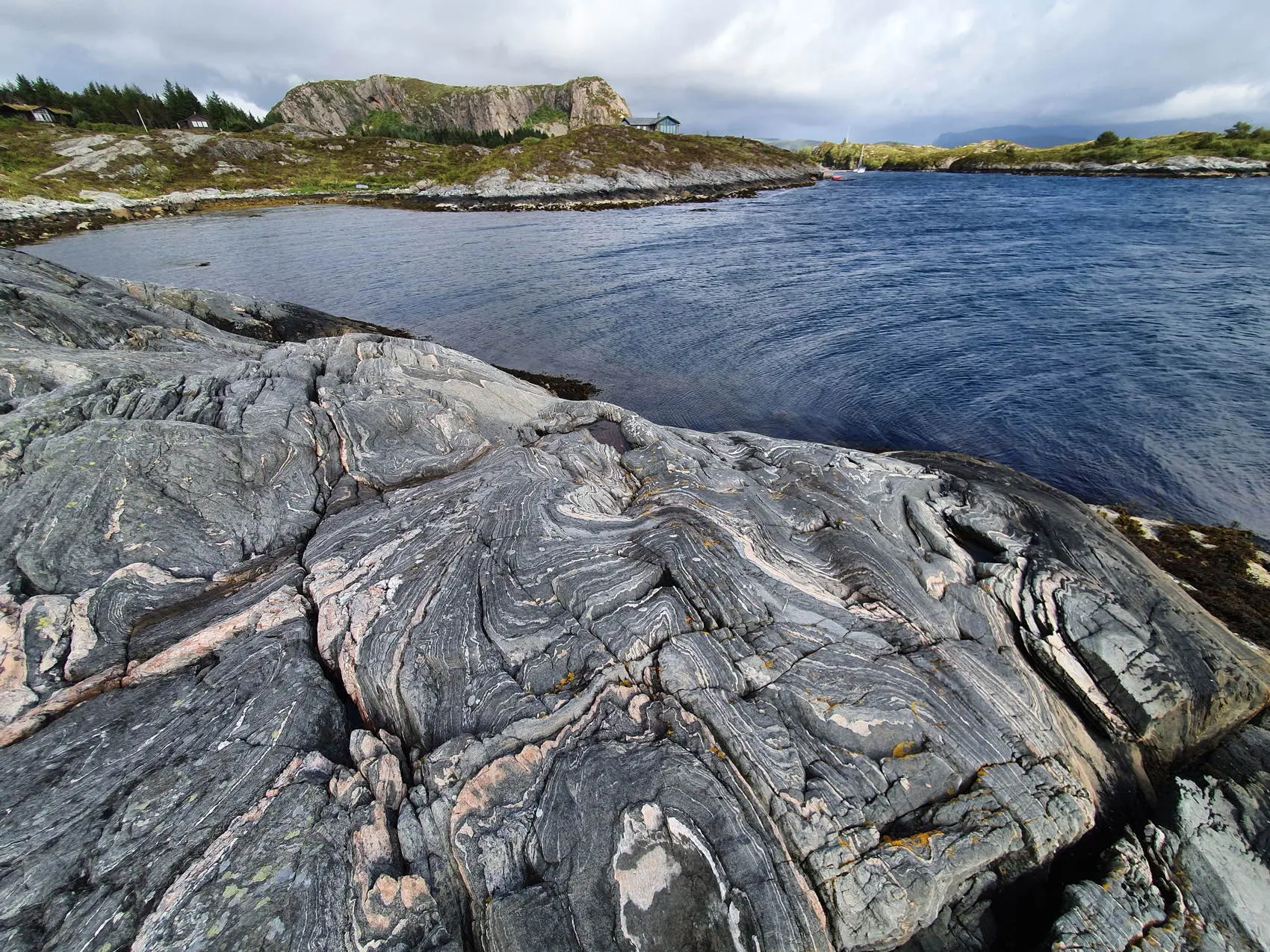
The southwestern part of Lammetun consists of strongly foliated mylonitic gneisses, which form an important part of the extensive mylonite formations in the Nordfjord–Sogn detachment zone. The area lies in the hinge of an unusually large fold structure, a so-called anticline, between Dalsfjorden and Åfjorden. This fold is part of the major east–west trending folds…
-
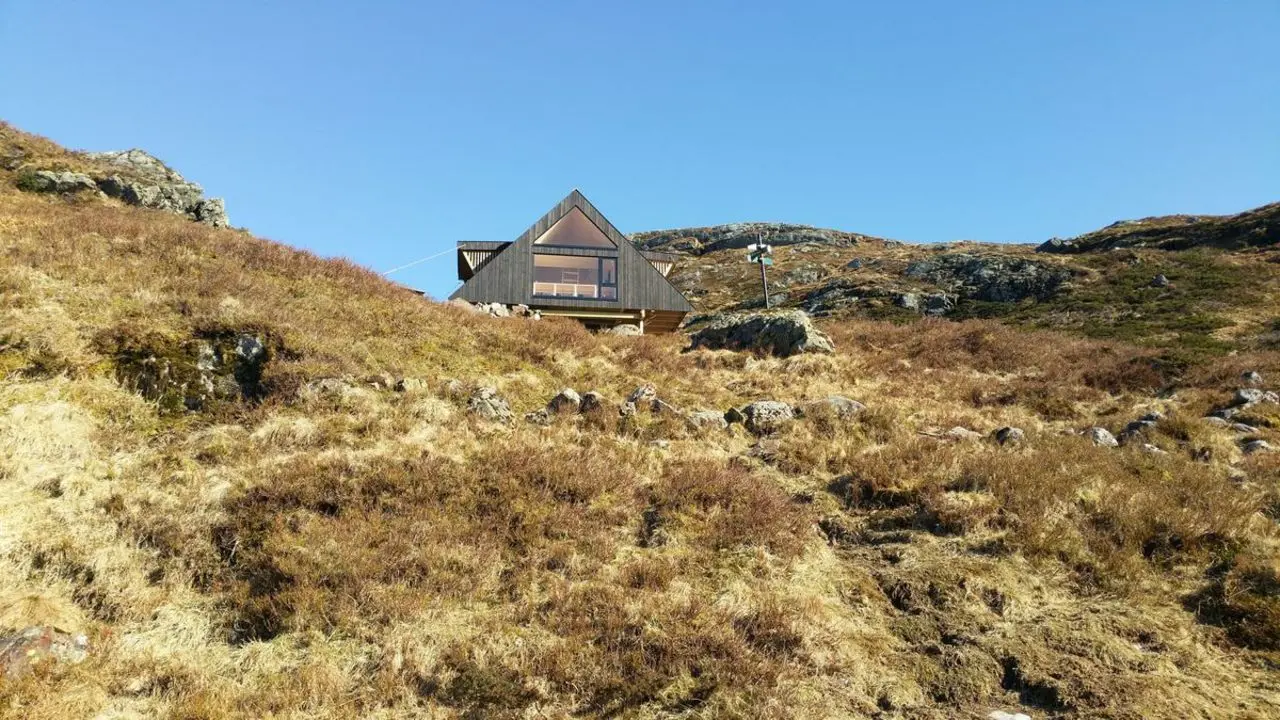
Nykshytta
The trail from Holmedal to Nykshytta offers a fine day hike. The route takes you through mylonite in the bedrock and up to the Dalsfjord complex. Nykshytta is a beautiful “day-use” cabin, making this walk both a journey through fascinating geological structures and a wonderful hiking experience. Note that although Nykshytta is a lovely destination,…
-
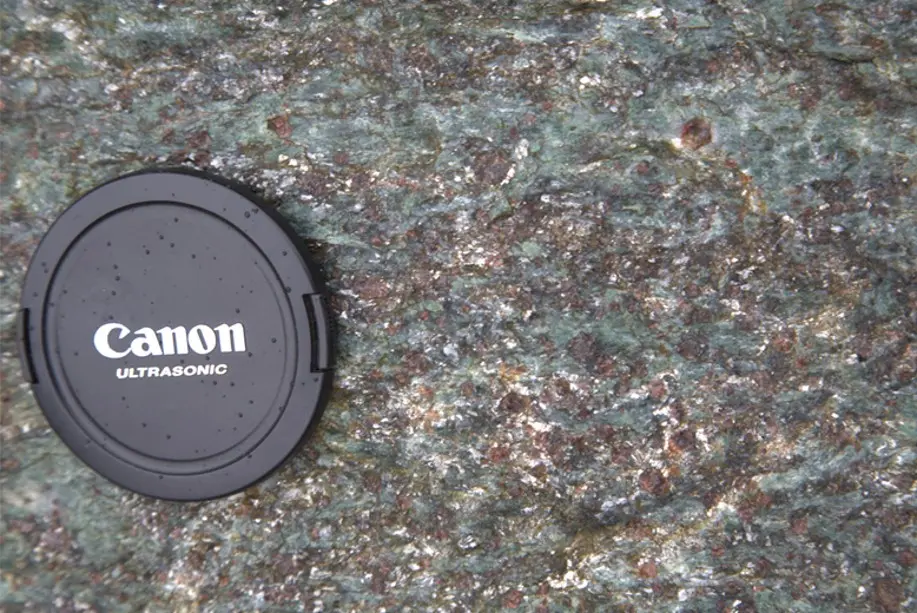
Vårdalsneset
This area consists of eclogites and tonalitic gneisses. The eclogites are crucial to understanding the Caledonian mountain-building event. They formed between 423 and 400 million years ago under extremely high pressure and temperature, corresponding to a depth in the Earth’s crust of 60–100 km. This shows that western Norway, during the mountain-building process, was pushed…
-
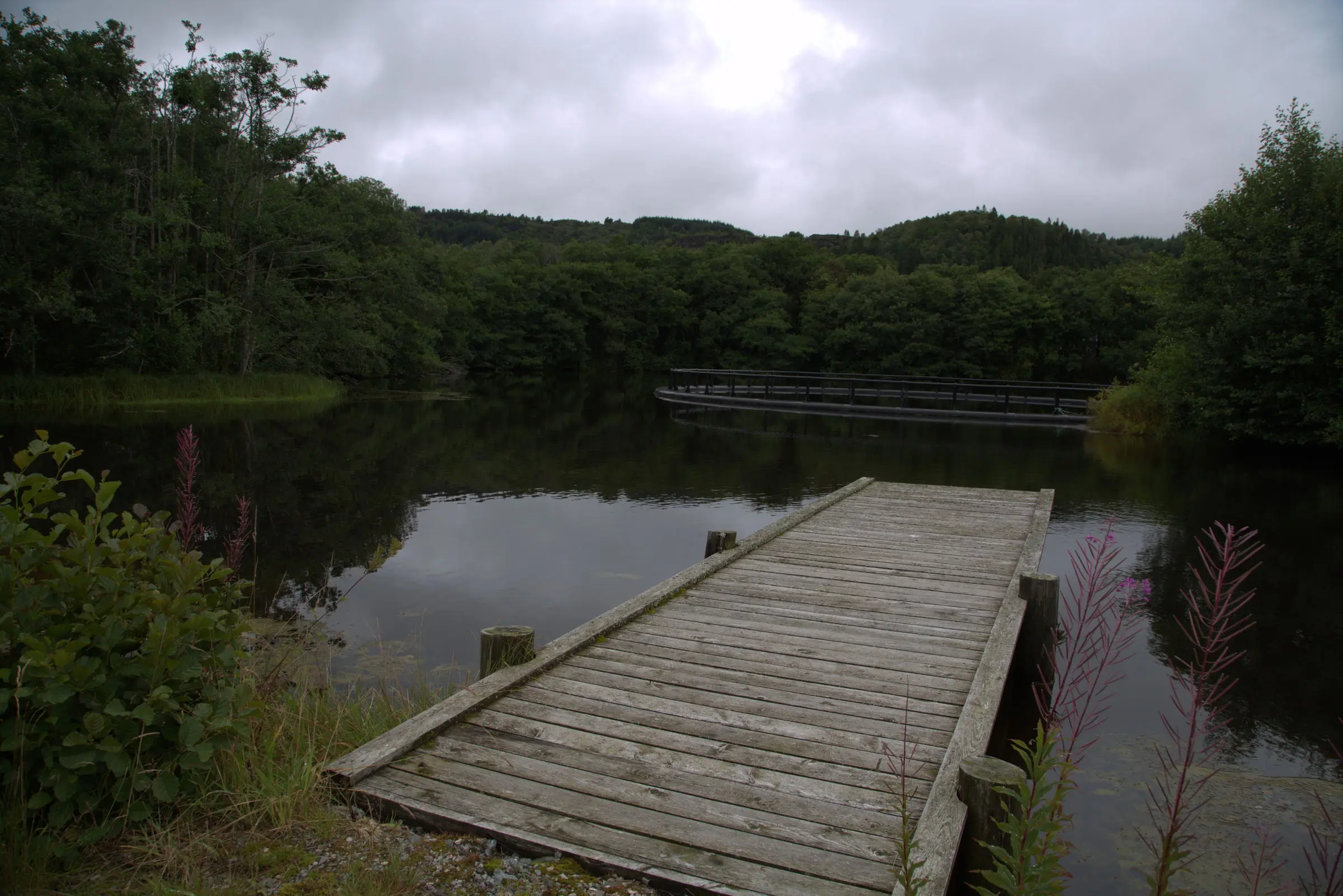
Vårdal Brickworks
Vårdal Brickworks was located at Vårdalsneset by Dalsfjorden. The brickworks were built in 1898 and produced both roof tiles and bricks.The clay pit, where the raw material was extracted, lies behind where the workshop building once stood. It is still clearly visible in the landscape and is now water-filled. Vårdal Brickworks was the largest brickworks…
-
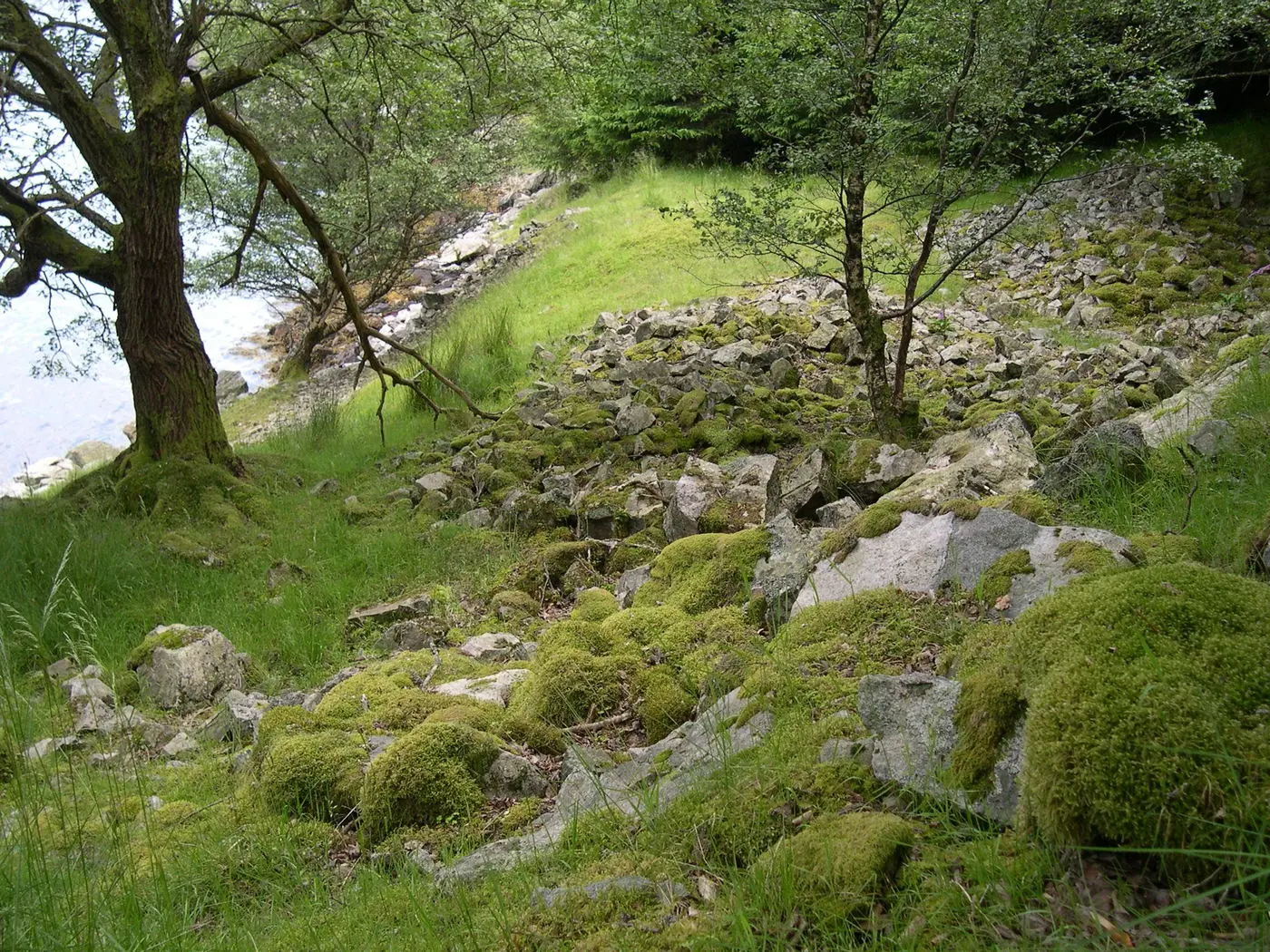
Fisma
Fisma is an abandoned farm without road access, but it carries a long tradition. It is mentioned in written sources as early as the 14th century, when it was church property. The site at Fisma nevertheless represents a more modern historical period, as it functioned as a quarry producing paving stones for export to Bergen…
-
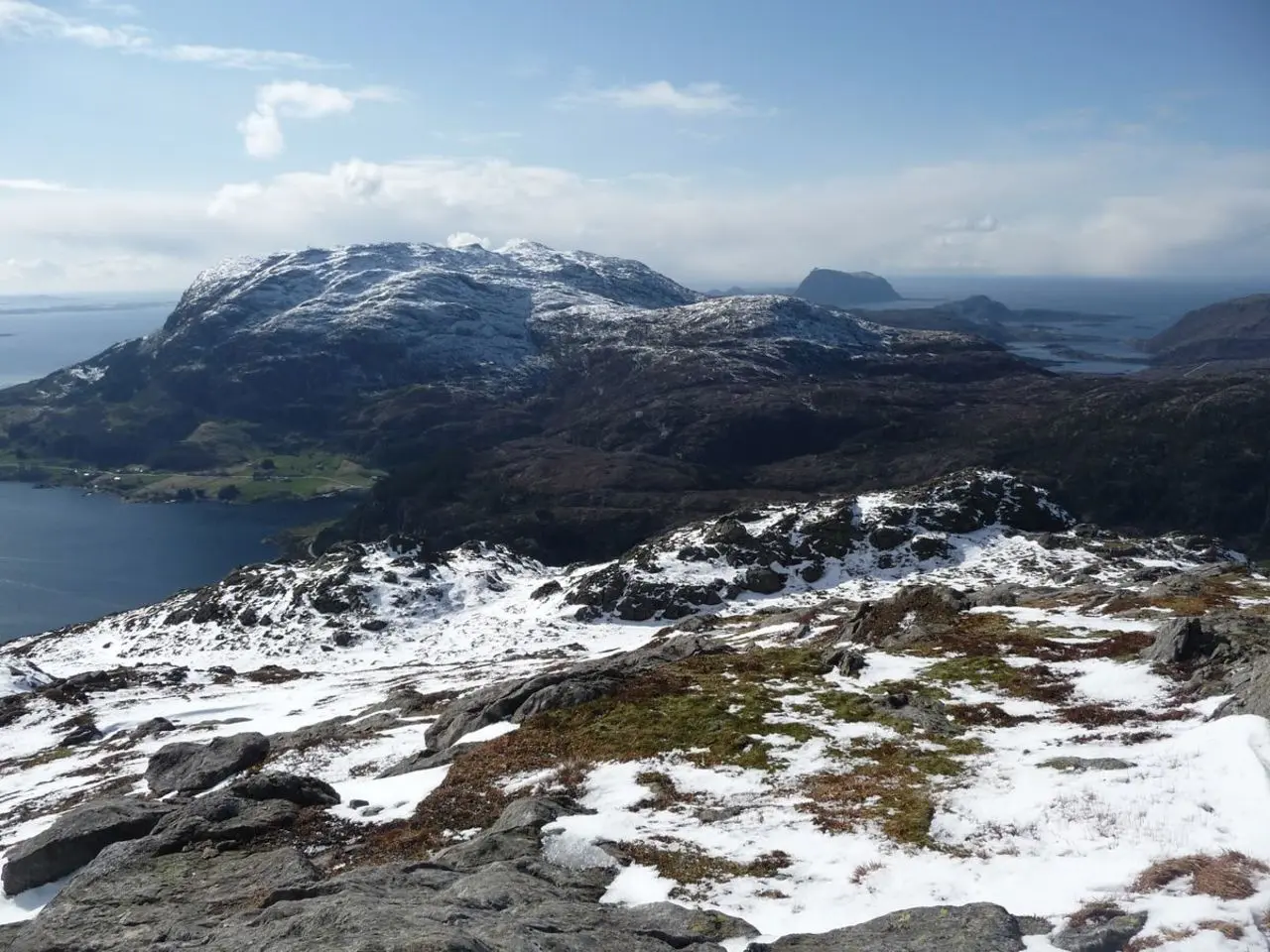
Blåfjell
A popular hiking trail starting in the centre of Askvoll and leading up to the top of Blåfjellet. At the summit, you are rewarded with a spectacular view. The mountain massif is part of the so-called Dalsfjord complex, which is between 1,600 and 1,000 million years old. The whole unit is a so-called microcontinent that…
-
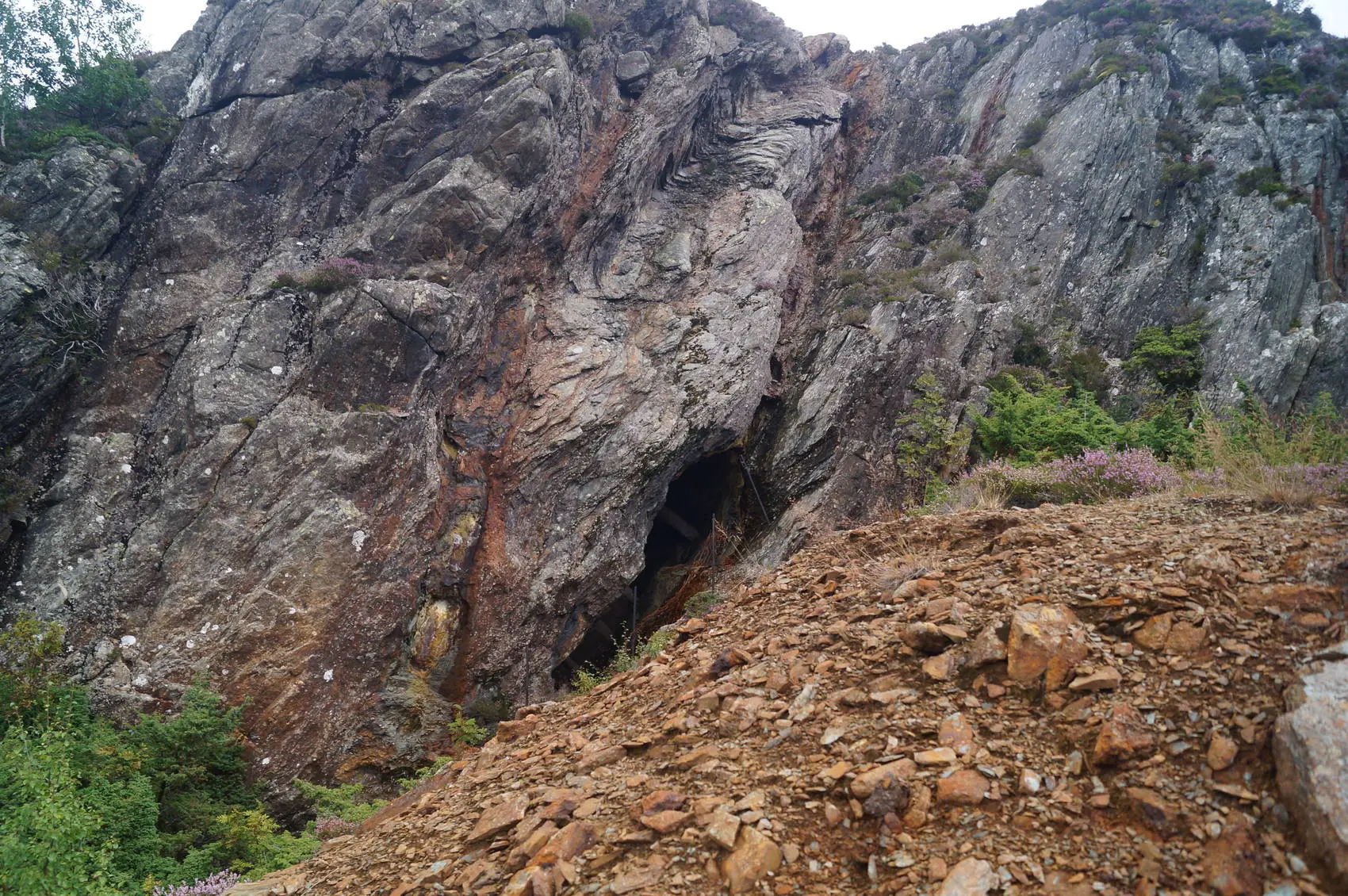
Grimelia
At Staveneset near Grimelia, mainly copper was extracted from the 18th century until the early 20th century. Several traces of the mining activity remain in the landscape, including mine shafts and spoil heaps. The spoil heaps are especially visible because of sparse vegetation, even though they are several hundred years old. This is due to…
-
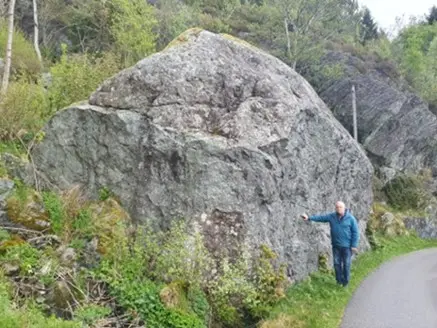
Stubseid
A solitary giant glacial erratic consisting of Devonian conglomerate. The block was transported and deposited by the inland ice towards the end of the last Ice Age. It rests on the mélange rocks belonging to the Sunnfjord mélange, which today form the high hills in the north visible above the road towards Grimelia.