-
Gjølanger Gruber
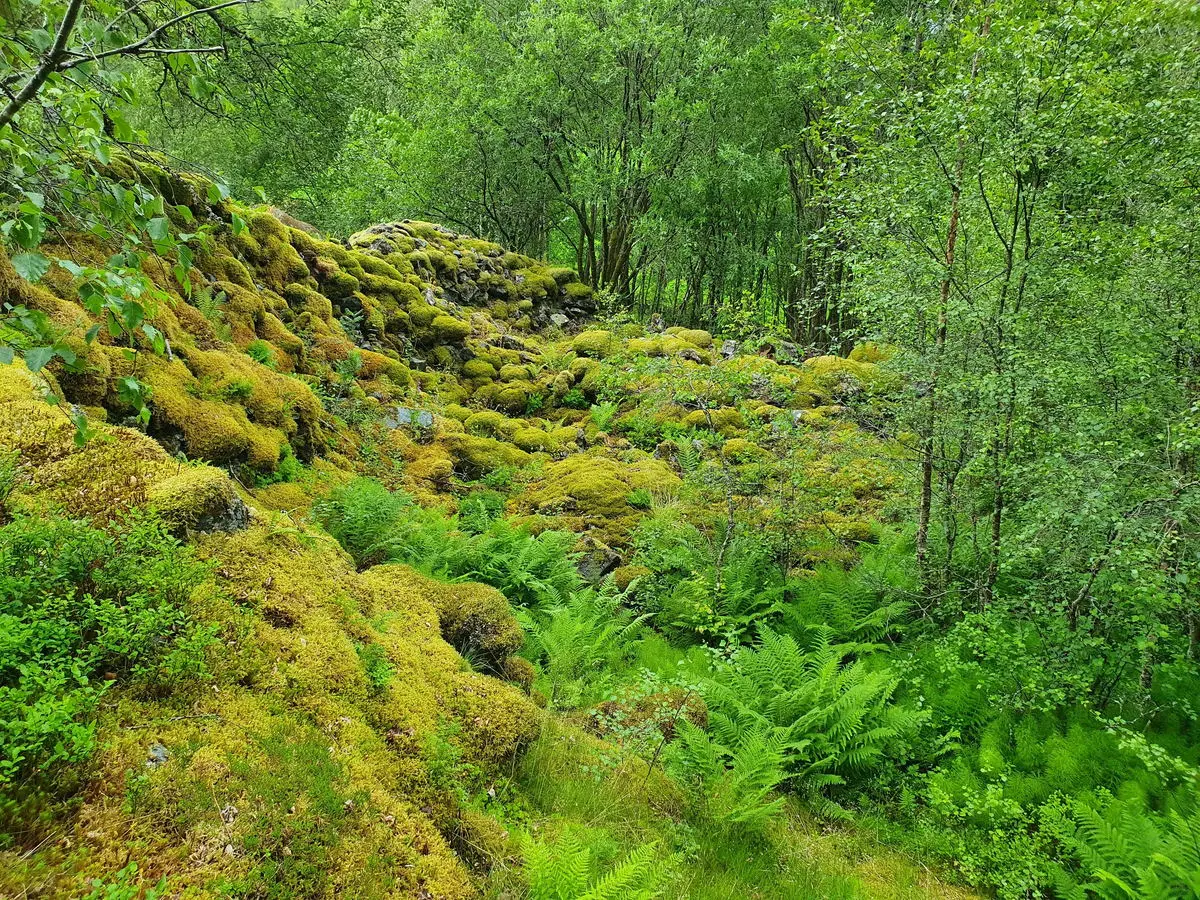
There are several small mines in the area linked to exploration and trial extraction of iron and titanium ore. The occurrence was not profitable enough to be exploited, but it represents an example of the many exploratory projects carried out in the region.
-
Rossvikheia
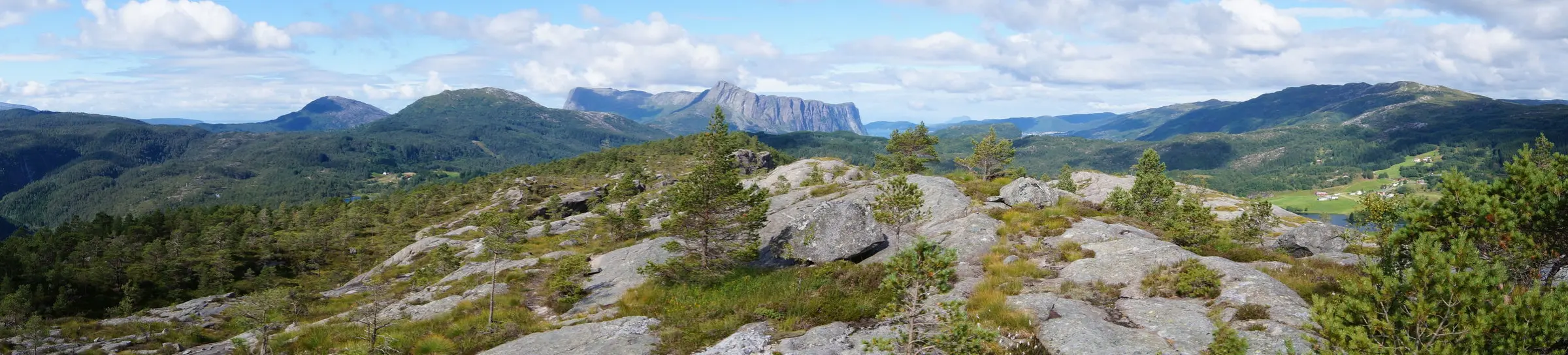
This is a popular and frequently used path to the top of the hill. The first part of the walk follows the historic Postvegen til Trondheim, before the path climbs steeply on a clear trail. The final stretch towards the cairn on Rossvikheia is mostly flat and crosses bare rock, small bogs and heather moorland.…
-
Trøsdalen
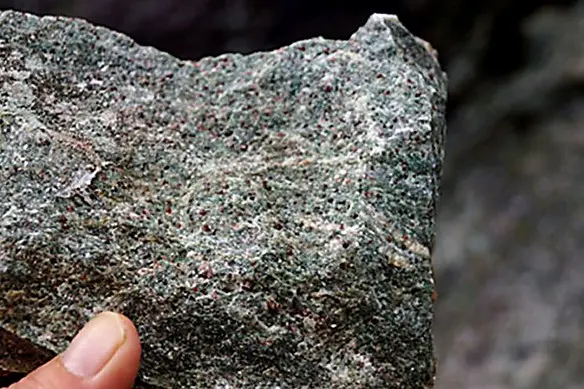
The eclogite in Trøsdalen formed when a dark igneous rock, typically basalt, diabase, gabbro or amphibolite, was transformed under extreme pressure and temperature conditions deep in the Earth’s crust. The occurrence of eclogite shows that the basement rock in the area was once pushed down to depths of between 60 and 100 kilometres. The formation…
-
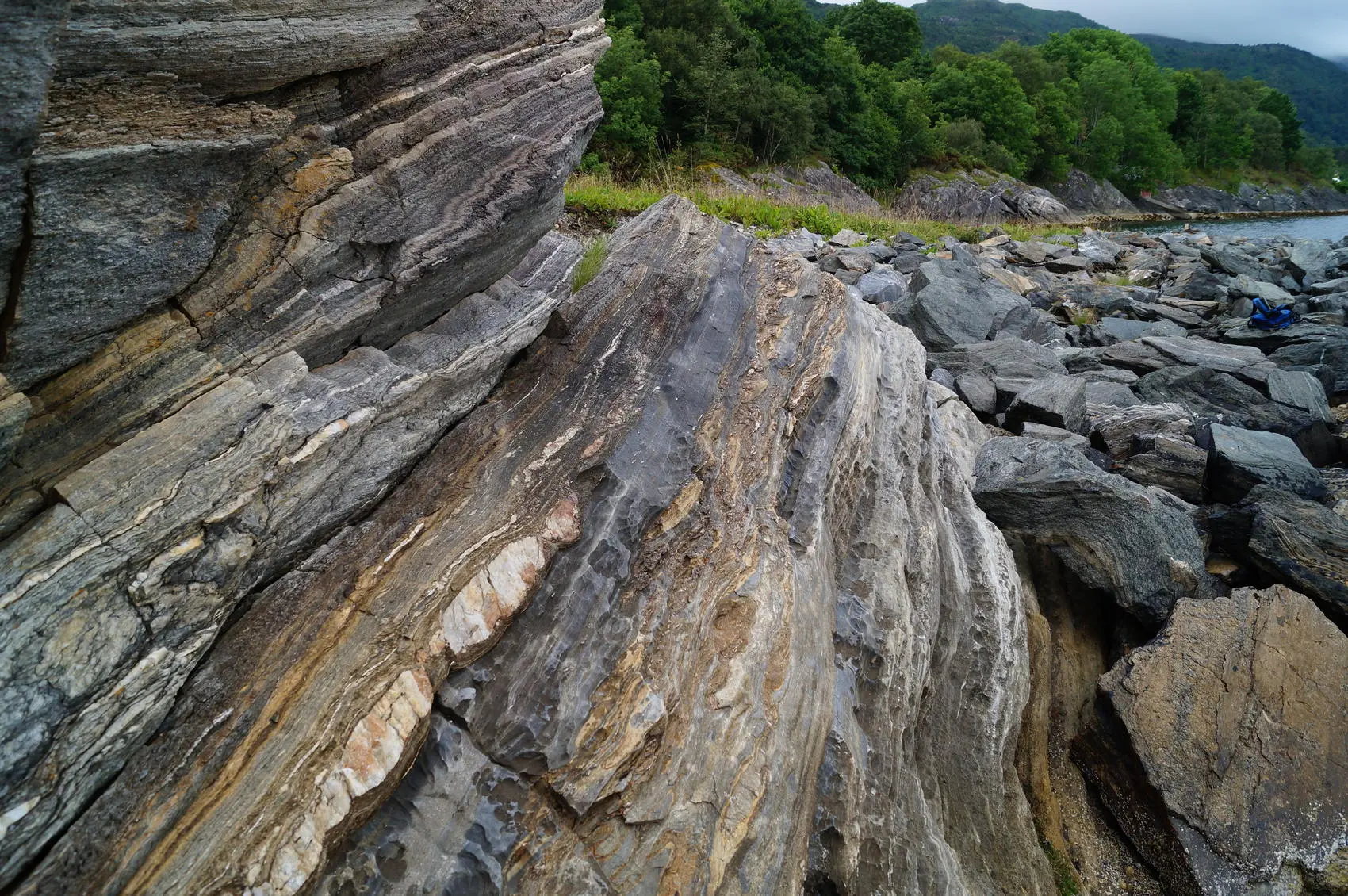
Smilla
At Smilla there is a marble field that lies as a narrow strip in the bedrock, from Nygård in the east to Øn in the west. The limestone at Smilla played an important role in the region’s industry from the 1890s until the early 1940s. Although the lime was somewhat impure, the quality was good…
-
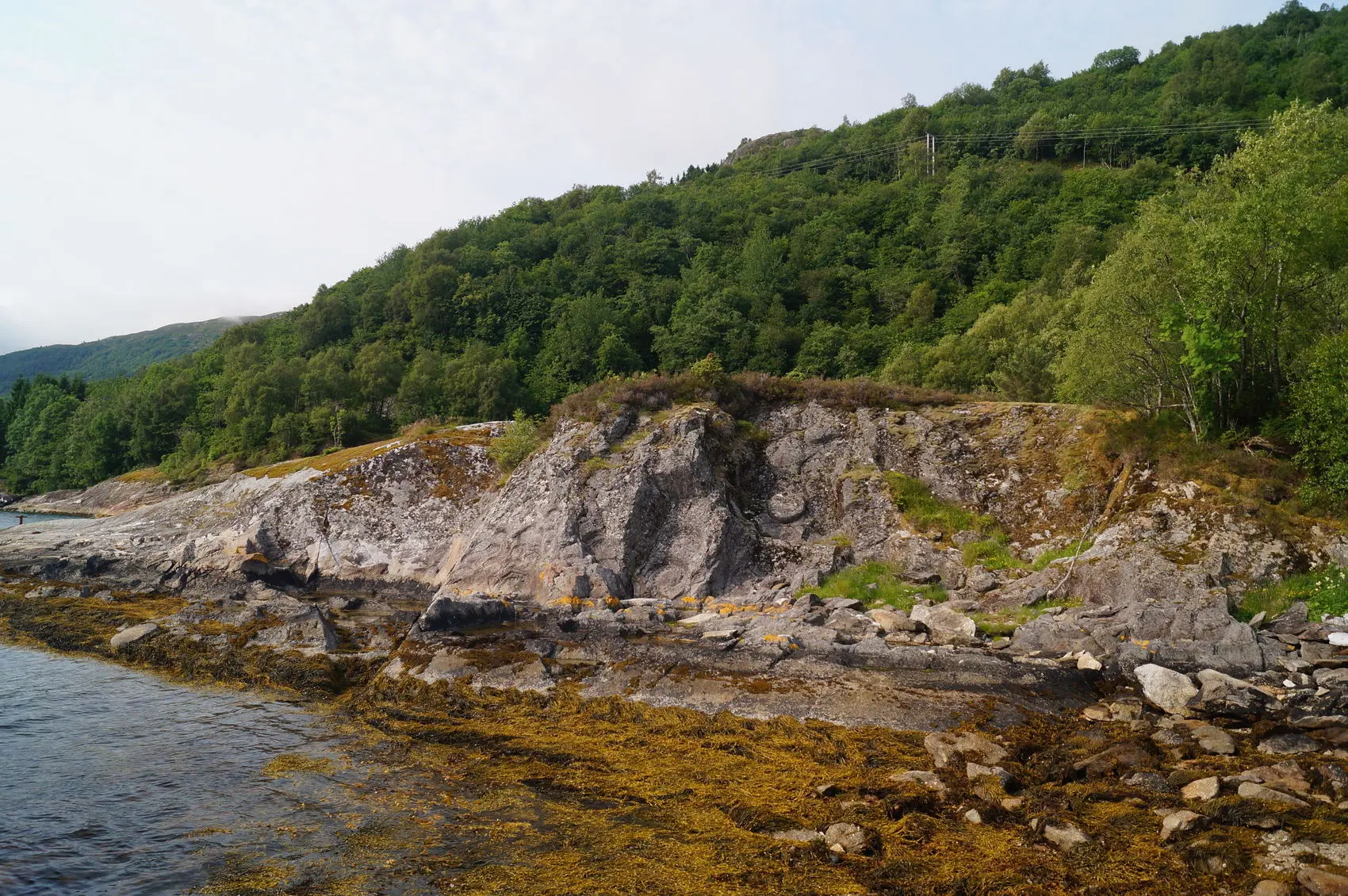
Otringsneset
At Otringsneset, right down by the sea, there is a large millstone quarry. This is one of the most prominent millstone quarries in Hyllestad and forms an important part of the historic quarry landscape in the area. The quarry testifies to the extensive millstone production that once took place here and helps to highlight the…
-
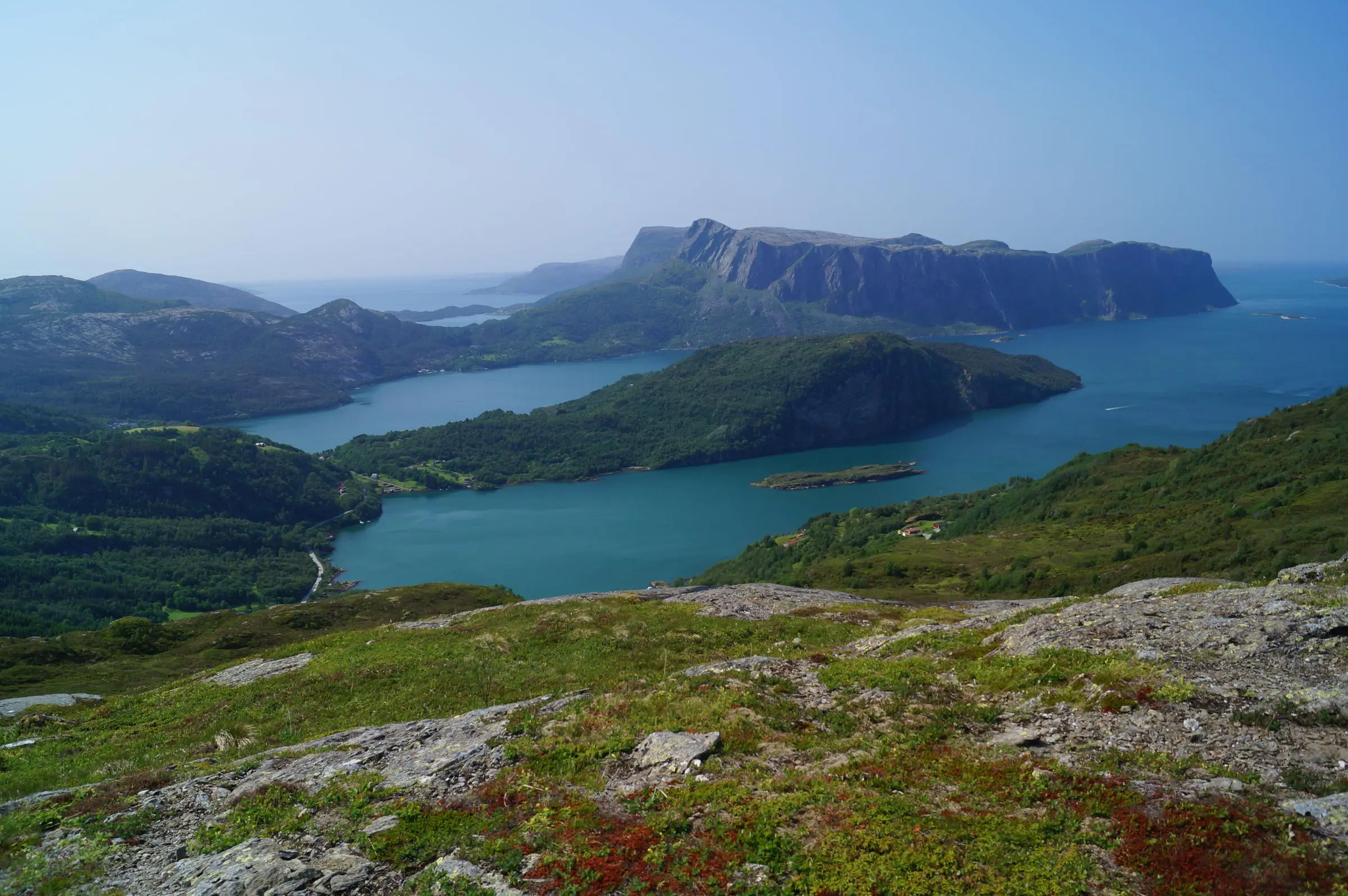
Hesjetind
This is a pleasant walk out to the edge of the Hyllestad complex. From the summit, you are rewarded with a fantastic view over the Hyllestad landscape and the striking mountain Lihesten, which towers over the area.
-
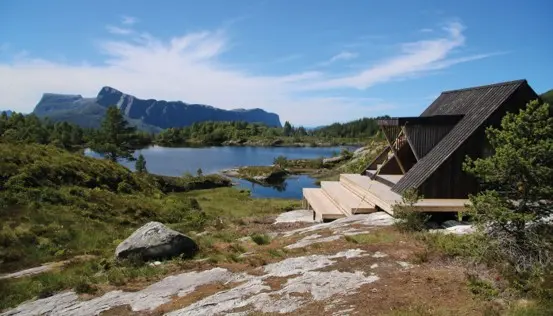
Sørefjordhytta
A walk to Sørefjordhytta, a “day-use” cabin, is a nice short walk up to the transition between the so-called Hyllestad schist and the gneisses belonging to the basement rock.
-
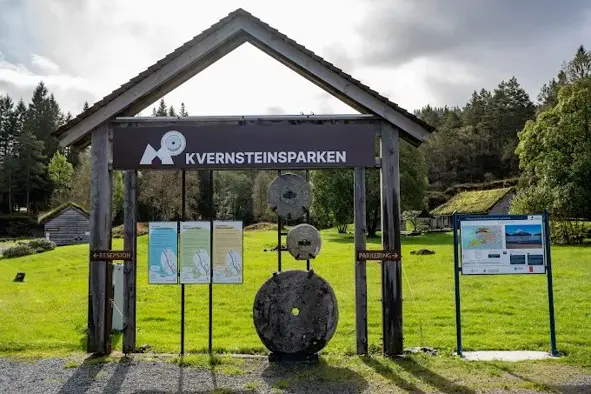
Millstone Park
The Millstone Park showcases a historic quarry where garnet mica schist was extracted to produce millstones. The area contains nearly 400 quarry sites, with activity dating back to the 8th century. It is a striking example of how favourable geology was used to produce high-quality millstones for centuries.
-
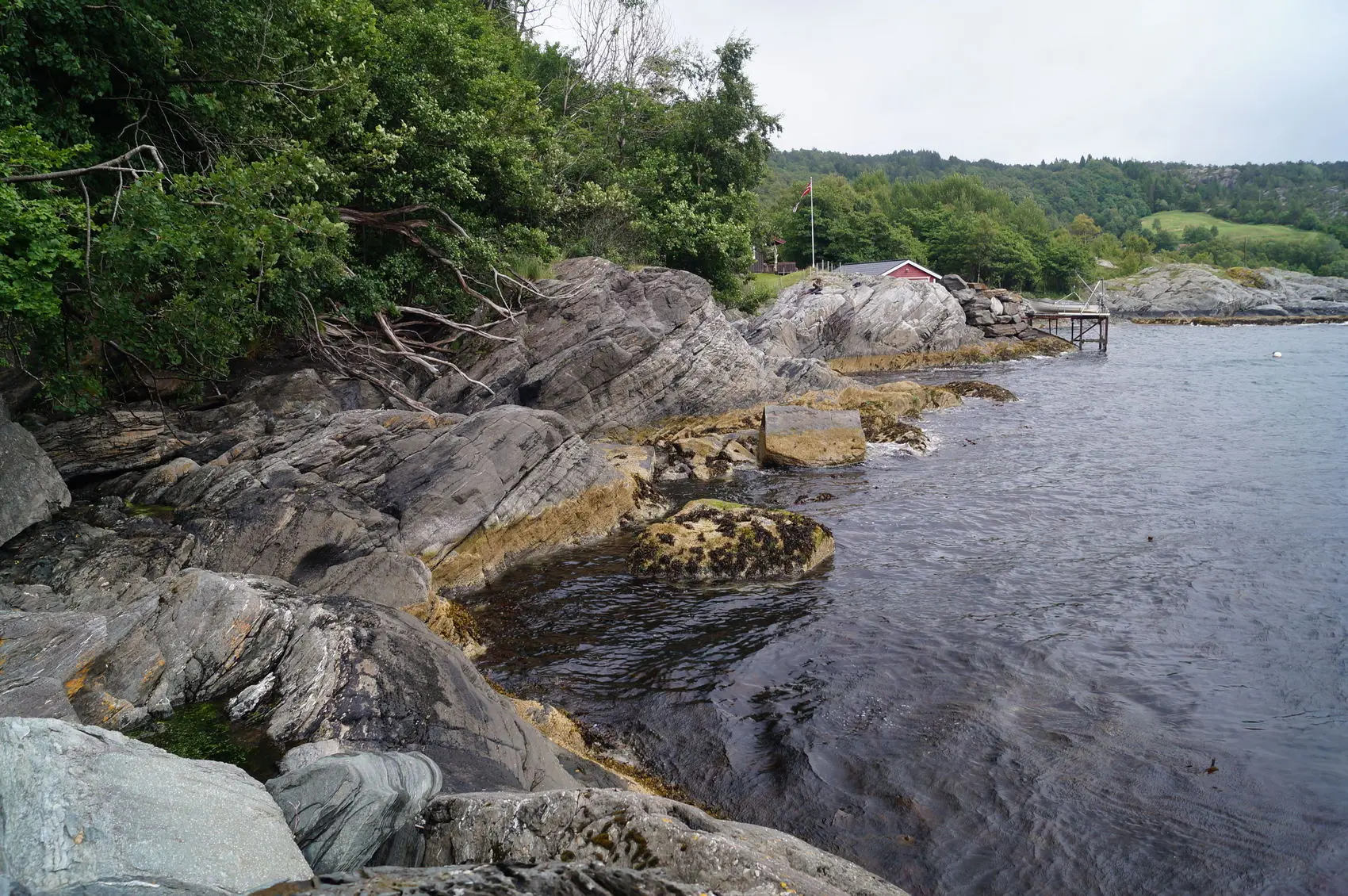
Nesje
A pleasant walk along the shore reveals numerous rock outcrops shaped by the Nordfjord–Sogn detachment zone. Along the way towards Lihesten, some geologists argue that you reach the boundary between the ancient continents Laurentia and Baltica. In other words, a fragment of the American continent was left behind here after the collision.
-
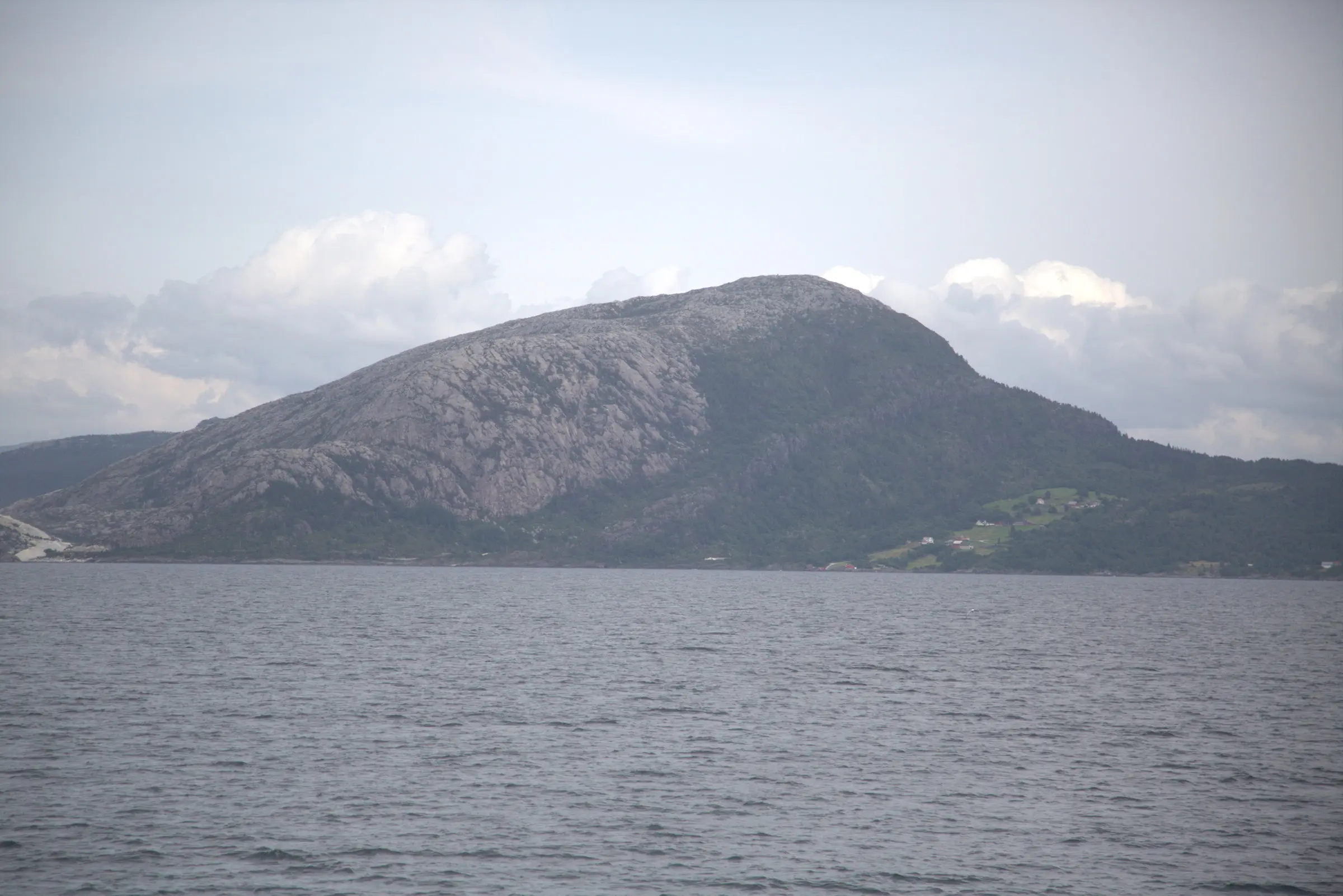
Sågneskollen
This trail to the summit passes through fine exposures of what was once deep crustal rock in the island-arc complex that lay in the Iapetus Ocean. The walk offers a fine view over the whole of Hyllestad, and you can see several aspects of the geology related to the collision zone between Laurentia and Baltica.